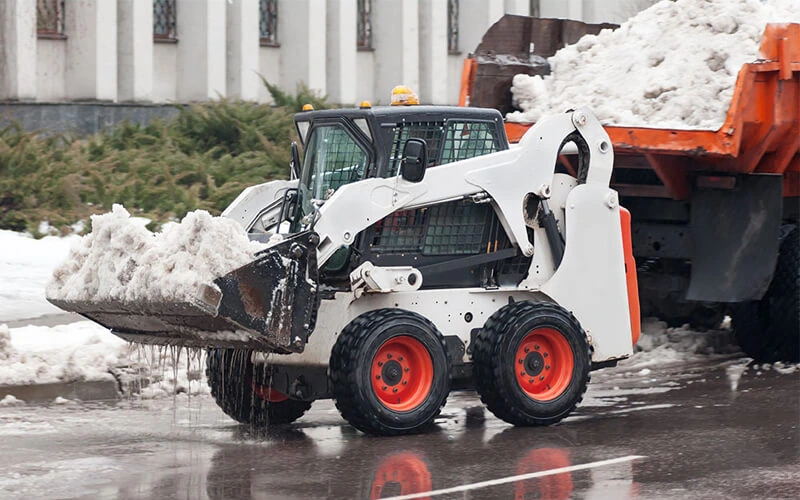
Efficient snow relocation isn’t just about clearing pathways; it’s essential for enhancing safety and accessibility during winter storms. Properly managed snow guarantees that high-traffic areas remain navigable, reducing risks like ice and hidden obstacles. This practice is especially important for those with mobility challenges. As we explore effective strategies and technologies in snow removal, you’ll discover how these methods can greatly impact community well-being. What specific techniques can make the most difference?
Key Takeaways
- Efficient snow relocation ensures clear pathways, reducing hazards like ice accumulation and hidden obstacles for all community members.
- Prioritizing high-traffic areas enhances accessibility, especially for individuals with mobility challenges during winter storms.
- Utilizing advanced technology streamlines snow removal processes, improving safety and response times in adverse weather conditions.
- Regular staff training and clear communication foster a prompt response to challenges, maintaining safety standards during snow events.
- Designated snow storage zones maximize available space, ensuring effective management and accessibility for all community members.
Why Efficient Snow Relocation Is Essential: How Snow Relocation Is Handled
When winter storms blanket your area with snow, it’s vital to understand how snow relocation is handled to guarantee safety and accessibility. Efficient snow relocation involves strategic planning and execution, making certain that snow is not simply pushed aside but removed to designated areas. This process is key for maintaining clear paths for pedestrians and vehicles, reducing hazards like ice accumulation and hidden obstacles. It’s about prioritizing accessibility for everyone, especially those with mobility challenges. By effectively managing snow relocation, you foster a safer environment for your community. Snow removal services should coordinate closely with local authorities to guarantee compliance with regulations and community needs. Ultimately, understanding how snow relocation is handled makes a significant difference in winter safety and accessibility for all.
Best Practices for Snow Relocation Services
To guarantee effective snow relocation, companies must adopt best practices that enhance efficiency and safety. Start by developing clear plans that outline designated snow relocation areas, ensuring they’re accessible and safe for all. Utilize proper equipment and tools suited for the specific conditions, which can greatly streamline the process. Regular staff training is essential; equip your team with the knowledge to handle challenges as they arise. Communication is key—maintain open lines between your crew and clients to address concerns promptly. Finally, evaluate and refine your strategies after each snow event. By focusing on these best practices, you’ll enhance how snow relocation is handled, creating a safer environment for everyone involved and contributing to a sense of community.
How Technology Enhances Snow Relocation Efficiency
Implementing best practices in snow relocation sets the stage for leveraging technology to further improve efficiency. By utilizing advanced software and GPS tracking, you can optimize routes for snow removal vehicles, reducing travel time and fuel consumption. Real-time data analytics help you monitor weather patterns, allowing for proactive planning and timely responses to changing conditions. Drones can also assist by providing aerial views of large areas, enabling better decision-making on where snow should be relocated. Automated equipment, such as snow plows with smart sensors, guarantees precision in clearing pathways. By embracing these technologies, you enhance how snow relocation is handled, making your services not just more efficient but also safer and more reliable for the communities you serve.
Improving Accessibility With Effective Snow Relocation Techniques
Effective snow relocation techniques markedly enhance accessibility, especially during harsh winter conditions. By utilizing these methods, you can guarantee safer environments for everyone, including pedestrians and motorists. Understanding how snow relocation is handled is vital for fostering community well-being.
- Prioritize clearing high-traffic areas first
- Use efficient equipment to minimize relocation time
- Implement designated snow storage zones to maximize space
- Regularly assess and adapt strategies based on weather patterns
These approaches not only improve safety but also create a welcoming atmosphere for all. When snow is managed effectively, it fosters a sense of belonging and community spirit, allowing everyone to navigate safely throughout winter months.
Case Studies of Successful Snow Relocation Strategies
As communities grapple with winter’s challenges, examining case studies of successful snow relocation strategies reveals valuable insights into best practices. One notable example comes from a northern city that implemented a proactive snow relocation plan, ensuring priority routes remained accessible. By coordinating with local businesses, they identified areas for snow disposal, enhancing both safety and accessibility.
Another effective strategy was employed in a suburban area where residents participated in a community-driven snow relocation initiative. This collaboration not only streamlined the process but also fostered a sense of belonging among neighbors.
These case studies illustrate how snow relocation is handled effectively, showcasing the importance of planning, community involvement, and strategic execution in achieving safe and accessible winter environments.
Conclusion
In summary, efficient snow relocation is vital for enhancing safety and accessibility during winter storms. By implementing best practices and leveraging technology, snow removal services can effectively manage snow, reducing hazards and ensuring essential pathways remain clear. Prioritizing high-traffic areas not only protects residents, especially those with mobility challenges, but also fosters a sense of community well-being. Embracing these strategies can lead to safer environments, making winter a more manageable season for everyone.
You May Also Like To Read: