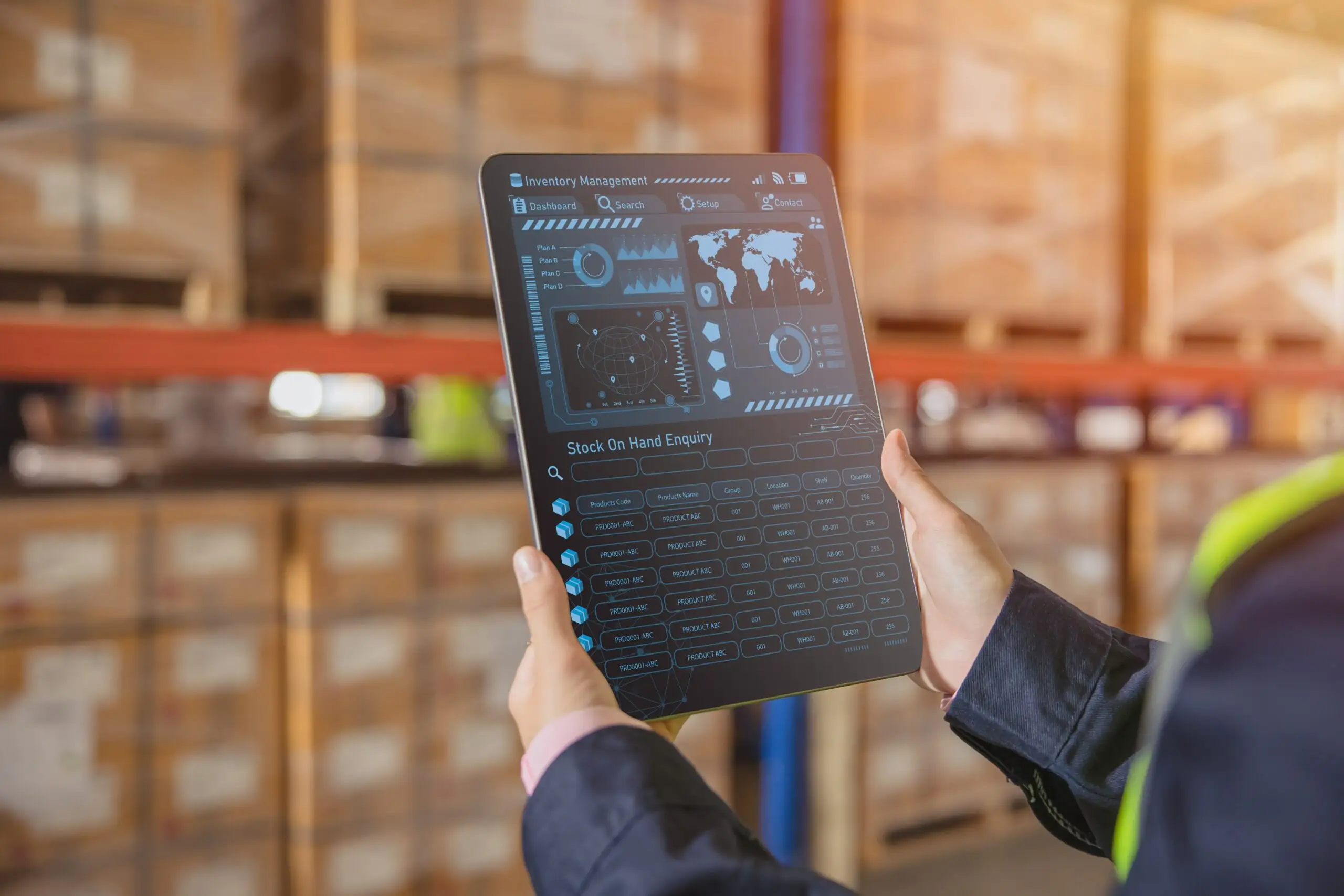
Real-time tracking has emerged as a critical component in modern supply chain management. It offers organizations immediate insights into inventory levels and shipment statuses. This capability not only enhances operational efficiency but also fosters stronger relationships among stakeholders. However, the implications of these advancements extend beyond mere visibility. Understanding the multifaceted benefits of real-time tracking reveals its potential to transform supply chain dynamics fundamentally. What specific advantages can companies leverage to maintain a competitive edge?
Key Takeaways
- Real-time tracking enhances visibility, allowing stakeholders to monitor inventory and shipments accurately, fostering trust and collaboration.
- Immediate access to data enables informed decision-making, reducing waste and improving supply chain efficiency.
- Proactive identification and communication of delays help minimize disruptions and associated costs.
- Timely updates and tracking capabilities enhance customer satisfaction, reinforcing brand loyalty and trust.
- Future technologies like AI and IoT will further optimize real-time tracking, creating a more responsive supply chain ecosystem.
Understanding Real-Time Tracking in Supply Chain Management
While many companies recognize the importance of efficiency in their supply chain operations, understanding real-time tracking in supply chain management is essential for achieving this efficiency. This innovative approach enables organizations to monitor inventory levels, shipment progress, and delivery times with unparalleled accuracy. By leveraging advanced technologies such as IoT and GPS, businesses can gain immediate insights into their supply chain dynamics, allowing for proactive decision-making. Such responsiveness not only minimizes disruptions but also fosters collaboration among stakeholders, creating a shared sense of purpose. Ultimately, real-time tracking in supply chain management empowers companies to optimize resources, reduce costs, and enhance customer satisfaction, fostering a community of engaged partners working towards collective success in an increasingly competitive landscape.
Enhancing Visibility and Transparency
The implementation of real-time tracking in supply chain management markedly enhances visibility and transparency throughout the entire logistics process. This increased clarity fosters trust among stakeholders and allows for informed decision-making. Key advantages include:
- Timely Information Sharing: Stakeholders receive updates on shipments, reducing uncertainty.
- Improved Accountability: Enhanced tracking creates a clear chain of responsibility, minimizing errors.
- Proactive Issue Resolution: Immediate access to data allows teams to address potential disruptions before they escalate.
- Customer Engagement: Greater visibility enables businesses to provide customers with accurate delivery timelines, improving satisfaction.
Reducing Costs and Improving Efficiency
Real-time tracking in supply chain management presents a strategic advantage that can considerably reduce costs and enhance operational efficiency. By providing immediate access to data regarding inventory levels, shipment statuses, and resource allocation, organizations can make informed decisions that minimize waste and improve processes. This technology allows for timely responses to disruptions, reducing delays and associated costs. Additionally, accurate forecasting enabled by real-time data helps in maintaining ideal inventory levels, preventing overstock and stockouts. As a result, businesses can streamline operations, allowing them to allocate resources more effectively and reduce unnecessary expenditures. Ultimately, the integration of real-time tracking fosters a culture of continuous improvement, aligning operational practices with overarching business objectives while reinforcing a commitment to efficiency and cost-effectiveness.

Strengthening Customer Satisfaction
By leveraging real-time tracking in supply chain management, organizations can markedly enhance customer satisfaction. This technology fosters a deeper connection between businesses and their customers by providing transparency and reliability throughout the supply chain process. Key benefits include:
- Enhanced Visibility: Customers can track their orders in real-time, reducing uncertainty.
- Timely Updates: Automatic notifications keep customers informed about their shipment status.
- Improved Responsiveness: Quick identification of delays allows for proactive communication and solutions.
- Personalized Experiences: Data-driven insights enable tailored offerings and services that meet customer needs.
These elements collectively contribute to a more responsive and customer-centric supply chain, ultimately reinforcing loyalty and trust in the brand while fostering a sense of belonging among customers.
Future Trends in Real-Time Tracking Technology
As supply chain operations evolve, emerging technologies are poised to reshape real-time tracking in supply chain management. The integration of artificial intelligence and machine learning will enhance predictive analytics, allowing for more accurate demand forecasting and inventory management. Blockchain technology promises to improve transparency and traceability, fostering trust among stakeholders. Additionally, the Internet of Things (IoT) will enable seamless connectivity between devices, enhancing data collection and monitoring capabilities. These advancements will empower organizations to respond more swiftly to disruptions, ensuring operational resilience. Moreover, the rise of 5G technology will facilitate faster data transmission, enhancing the efficiency of real-time tracking systems. Collectively, these trends will create a more interconnected, efficient, and responsive supply chain ecosystem, fostering a sense of community and collaboration among participants.
Frequently Asked Questions
What Technologies Enable Real-Time Tracking in Supply Chain Management?
Technologies enabling real-time tracking in supply chain management include GPS, RFID, IoT sensors, and cloud-based software. These innovations facilitate accurate data collection, enhance visibility, and improve decision-making, fostering efficiency and collaboration among stakeholders.
How Can Small Businesses Implement Real-Time Tracking Solutions?
Small businesses can implement real-time tracking solutions by adopting affordable software platforms, utilizing GPS technology, and integrating RFID systems. These tools enhance visibility, improve inventory management, and foster collaboration throughout the supply chain, enhancing operational efficiency.
What Industries Benefit Most From Real-Time Tracking in Supply Chain Management?
Manufacturing, retail, logistics, and healthcare industries benefit greatly from real-time tracking in supply chain management. These sectors enhance operational efficiency, reduce costs, and improve customer satisfaction through accurate inventory visibility and timely deliveries.
Are There Any Risks Associated With Real-Time Tracking Systems?
Real-time tracking systems introduce risks such as data breaches, reliance on technology, and potential inaccuracies in tracking information. These challenges necessitate robust security measures and contingency plans to guarantee operational integrity in supply chain management.
How Does Real-Time Tracking Impact Inventory Management Practices?
Real-time tracking in supply chain management considerably enhances inventory management practices by providing accurate visibility of stock levels, enabling timely replenishment, minimizing excess inventory, and optimizing order fulfillment processes, thereby improving overall operational efficiency and responsiveness.
Conclusion
To summarize, real-time tracking emerges as a critical component in streamlining supply chain operations, offering enhanced visibility, cost reduction, and improved efficiency. By fostering transparency and enabling swift decision-making, organizations are better equipped to navigate challenges and optimize resource allocation. Additionally, the positive impact on customer satisfaction underscores the strategic importance of adopting this technology. As advancements continue to evolve, the future of real-time tracking promises even greater innovations, solidifying its role in competitive supply chain management.
You May Also Like to Read: